Using Shipping Containers For Real Estate & Development
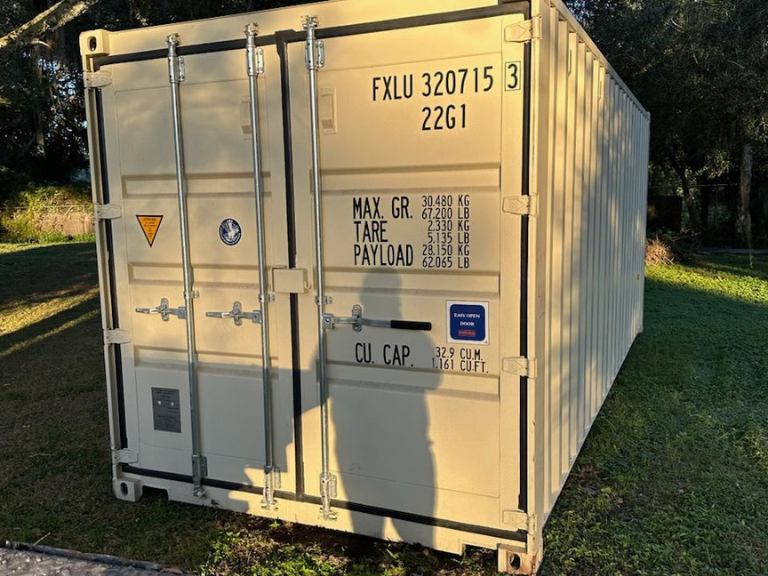
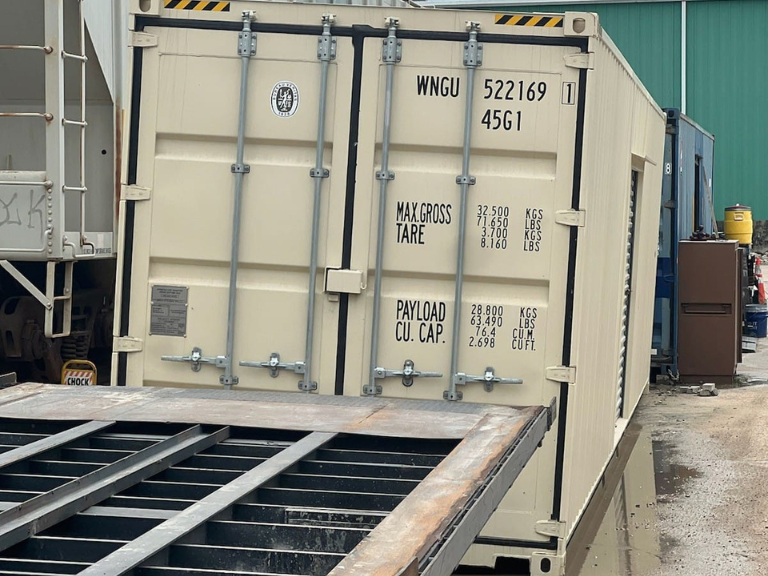
In the world of real estate today, flexibility is paramount.Developers are losing large financial capabilities due to increasing land costs, regulatory hurdles, and a growing demand for quick and flexible buildings.Shipping containers have provided a way for developers to face those challenges, solving the durability, modularity and design for anything from micro-offices to cafés to complete residential buildings.
Common Use Cases in Real Estate Projects
Temporary Leasing Offices: Drop-in office space for new developments.
Accessory Dwelling Units (ADUs): Backyard housing for urban infill or income generation.
Modular Apartment Units: Stackable solutions for workforce or student housing.
Real-World Examples
California Backyard Homes: Cities like Los Angeles have approved ADU projects using containers to ease the housing shortage.
Pop-Up Retail in Austin & Miami: Shipping containers converted vacant lots into seasonal retail spaces and food parks, offering a low-cost, flexible setup.
Student Housing in Europe: Multi-container dorm complexes offer quick, efficient housing near universities.
Benefits of Using Shipping Containers for Real Estate & Development
1. Faster Project Timelines
Containers are prefabricated, which reduces on-site construction time by weeks or even months—helpful in competitive markets or tight seasonal windows.
2. Lower Construction Costs
Steel framing, roofing, and flooring are already included. With fewer trades and reduced labor time, projects stay lean and budget-friendly.
3. Easy to Transport and Relocate
Containers are designed for global shipping and can be easily transported by truck or rail. Due to this the containers are easy to relocate or repurpose when and where you need.
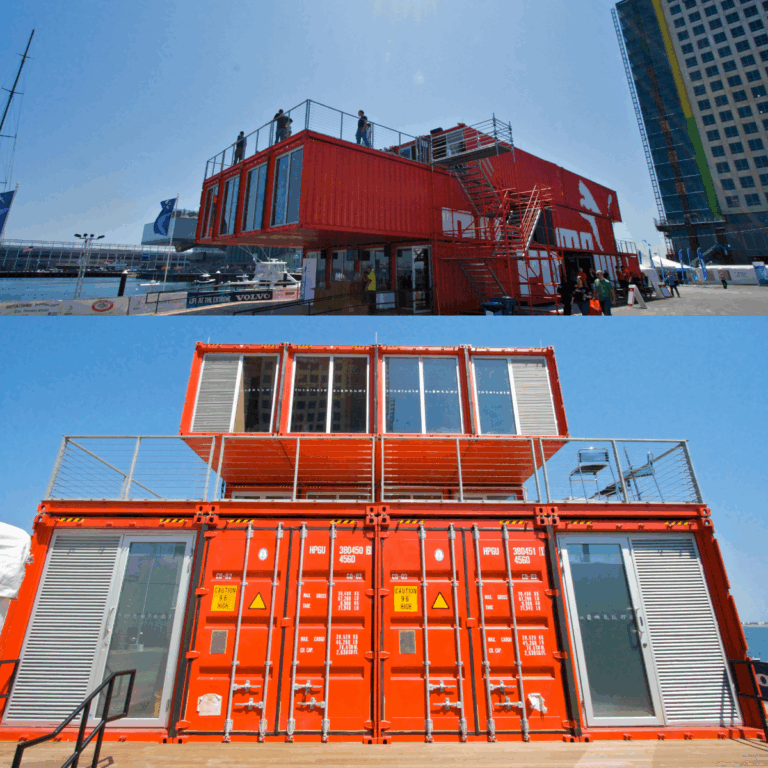
4. Modular and Stackable
Developers can build vertically by stacking containers or combine them side-by-side to scale from a single unit to multi-story housing or commercial builds.
5. Zoning and Permitting Flexibility
Many jurisdictions treat unmodified containers as temporary structures, simplifying placement on lots with limited build rights or in interim-use scenarios.
6. Ideal for Urban Infill
Containers are compact and maneuverable, making them ideal for small or irregular urban plots where traditional construction isn't feasible.
7. Sustainable Building Option
Repurposing containers helps reduce industrial waste and supports eco-friendly development initiatives.
8. Customizable Interiors
With proper insulation, plumbing, HVAC, and interior finishes, containers can match traditional build quality for retail, residential, or mixed-use purposes.
1. Can a shipping container be used as a permanent home or office?
Yes, with proper modifications, containers can become fully livable homes or offices.Many developers create permanent dwellings that meet building codes.
2. Do I need a permit to place a container on my property?
It depends on your city or county. Temporary containers often bypass permits, but modified or permanent-use structures typically require zoning and code approval.
3. How long do container buildings last?
With basic maintenance, containers can last 20+ years. One-trip or new units last longer than used ones and offer better resale or structural reliability.
4. What insulation is best for container housing?
Closed-cell spray foam is a popular choice for insulation—it provides thermal resistance and acts as a vapor barrier. Panel and blanket insulation are also options.
5. Can I add windows, doors, and plumbing to containers?
Absolutely, containers can be cut and retrofitted with standard doors, windows, electrical systems, plumbing, and even solar panels—just like traditional structures.
6. Are containers safe in harsh weather?
Yes, containers are made of CORTEN steel and designed to withstand wind, rain, and transport abuse.With proper anchoring and retrofits, they can be made hurricane- or earthquake-resilient.
7. Is container real estate cheaper than traditional building?
Generally, yes especially for smaller projects or pop-up uses. You save on structural framing and timeline delays.
8. Can I stack containers for multi-story builds?
Yes, containers are engineered for stacking during ocean transport.With reinforced foundations and safety framing, they can be stacked up to 6–8 units high.
9. How fast can I set up a container unit?
Non-customized shipping containers can be delivered and placed in 1–5 days.Modified units (housing, offices) typically take 2–6 weeks, depending on customization.
10. Are container homes or offices eligible for financing or appraisal?
It’s becoming more common. Some lenders support container-based construction, especially if the unit is built to code and has a permanent foundation.